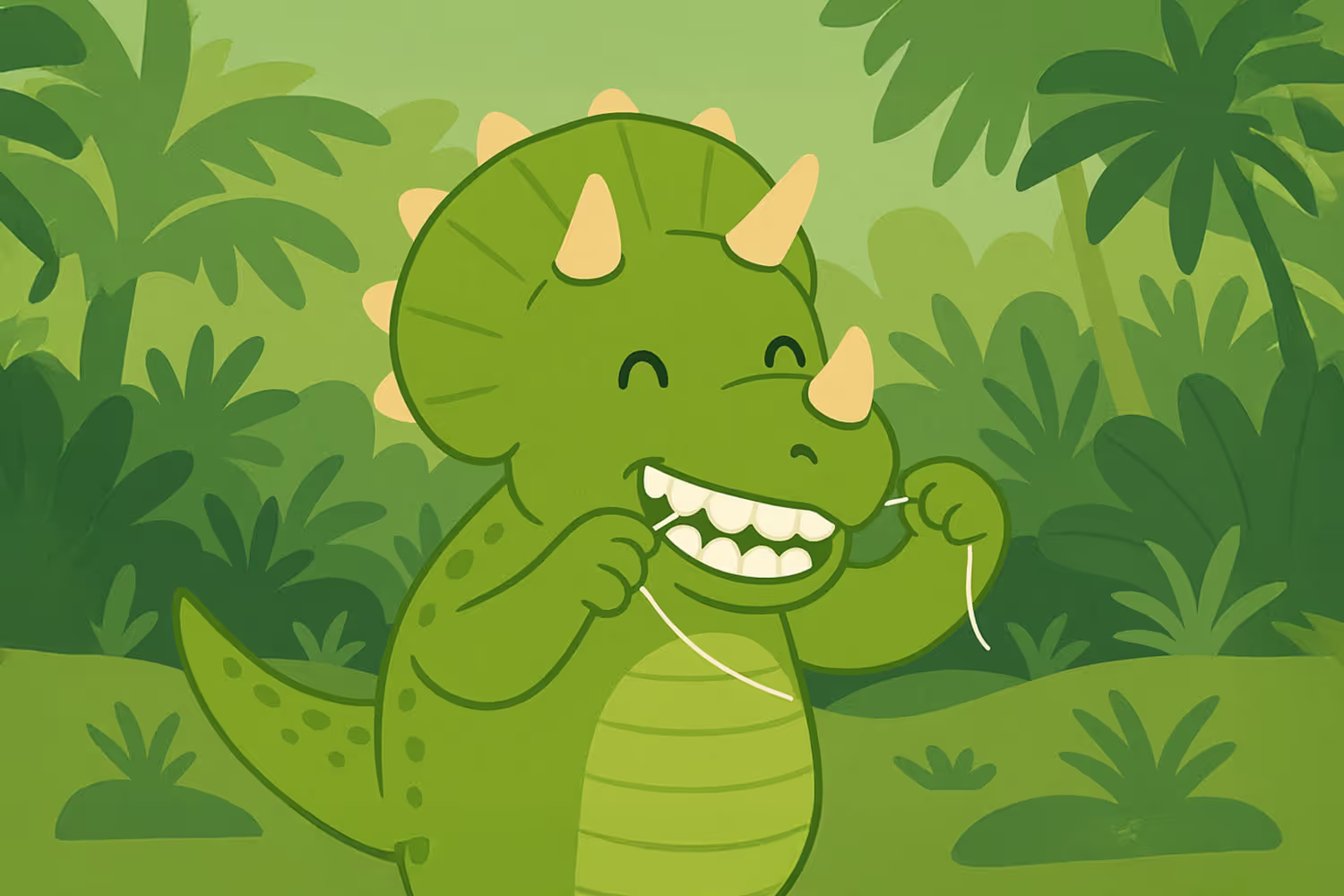
Greetings, toothy friends of the Triassic! Whether your little one is a mighty carnivore chomping through chicken nuggets or a gentle herbivore nibbling apple slices, one thing is true: food gets stuck between teeth, and brushing alone can’t reach it all.
Let’s talk about the unsung hero of healthy smiles: flossing. Even a T. rex, with a mouth full of big teeth, would have had snacks stuck in the gaps!
Every time we eat, tiny bits of food hide between teeth like little fossilized snacks. The ADA explains that plaque, the sticky film on teeth, contains bacteria that feed on leftover food and make acids that can harm tooth enamel. Plaque left behind can lead to cavities and gum disease (and swamp breathasaurus, too).
Even the best toothbrush can’t fully clean the spaces between teeth, the ADA says. Floss works like a tiny archaeologist, gently clearing out what the brush leaves behind.
The ADA recommends cleaning between teeth once a day to remove food particles and plaque. Plaque that isn’t removed can harden into tartar along the gumline, which only a dentist can remove. Small daily habits add up to big, healthy smiles.
The ADA says flossing should become part of your child’s routine as soon as they have two teeth that touch. At first, grown-ups handle this step. Kids usually take over around age 10 or 11, when their hands are ready to hold floss or other cleaning tools.
The ADA notes that cleaning between teeth shouldn’t cause pain. There may be some discomfort while you find the right pressure, but if it still hurts, talk with your dentist.
Brushing is great, but flossing is the real fossil-fighter. It’s your secret weapon for keeping that Jurassic jaw clean. From our team at Every Little Tooth in Chesapeake: grab that string and floss like a true flossilosaurus!
Every child is different, so reach out with any questions about your child’s teeth.
Questions about flossing for your little one? Call Now: 757-800-1011.